

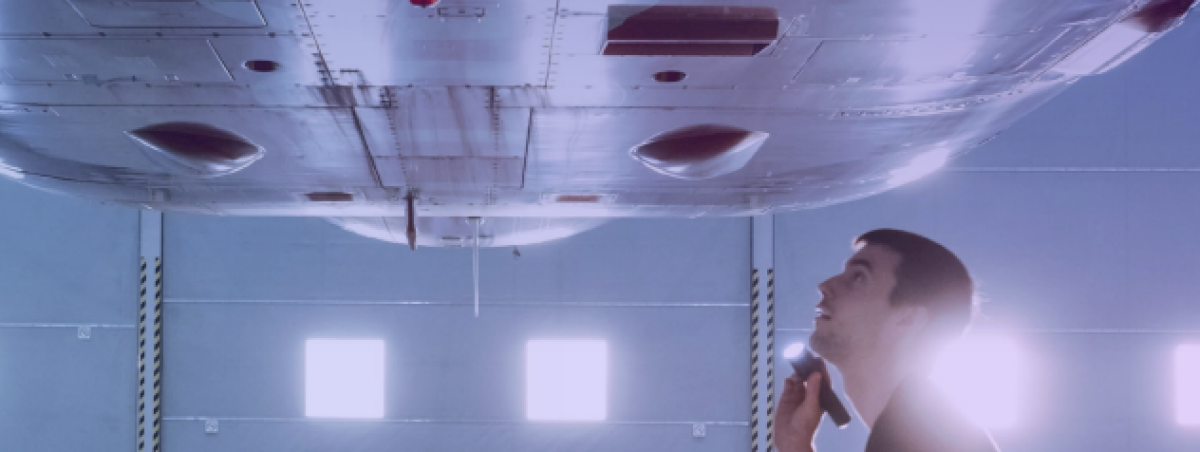
A structural bottleneck is reshaping how aviation thinks about maintenance, repair and overhaul. Published in March 2026, KPMG Ireland's MRO: Cost Line to Value Driver argues that Aircraft Maintenance is no longer a back-office cost function but a strategic value driver. Fleet growth, delivery delays, and engine durability issues are compounding post-pandemic labour shortages to create a bottleneck that KPMG believes can be addressed through investment, innovation, and long-term planning. For Irish airlines, lessors, and airports, the report outlines both significant risks and opportunities.
The KPMG report rewards a constructive reading: MRO is not a crisis but a super-cycle creating predictable value for those who act with decisiveness and intent. The case rests on three compounding forces: a market growing from $120 billion (€103.2 billion) to $156 billion (€134.2 billion) by 2035, engine durability headwinds intensifying near-term demand, and a digitisation wave already converting unscheduled disruption into scheduled, manageable events.
The market evidence is substantial. Oliver Wyman's Global Fleet and MRO Market Forecast 2025–2035 projects MRO growing from $120 billion (€103.2 billion) in 2025 to $156 billion (€134.2 billion) by 2035, with engine maintenance at 7.5% annually. Fleet age has risen to 13.4 years as OEM backlogs of over 17,000 aircraft force operators to fly older assets harder. Engine shop-visit turnaround times remain materially above pre-COVID levels, a direct consequence of production shortfalls.
Engines are the primary pinch point. The GTF powder metal inspection programme required 600 to 700 incremental shop visits between 2023 and 2026 and a gross financial impact to RTX of $6 to $7 billion (€5.2 to €6 billion). As of March 2026, approximately 620 GTF-powered aircraft remain parked, though MRO throughput rose 26% in 2025. The LEAP engine's near-term retrofit schedule adds further complexity. KPMG identifies these engine-family pressures as structural, not cyclical.
Digitisation represents one of the most actionable opportunities identified in the report. Predictive maintenance, AI-assisted inspections, and digital work-pack systems are transforming Aircraft Maintenance by converting unscheduled events into planned interventions. Even a one to two percentage point improvement in first-time-fix rates can release valuable maintenance capacity without requiring additional facilities. Oliver Wyman's 2025 MRO industry survey, covering 170 aviation executives globally, confirms material shortages and worsening turnaround times as top concerns, with digital tools as the primary lever. Contracts are shifting from time-and-materials to outcome-based uptime and dispatch-reliability commitments.
Three actions follow from KPMG's framework. First, Irish lessors should embed MRO digital and ESG maturity assessments into asset-management and redelivery processes, treating maintenance as asset-value protection. Second, Irish airlines should shift procurement from labour-hour cost structures to outcome-based agreements with data-sharing provisions. Third, Irish airport operators and the Irish Aviation Authority should enhance MRO zoning, bonded logistics, and competency-based training routes to widen technician pipelines and attract regionally advantaged MRO platforms to Ireland.
The KPMG Ireland report makes a compelling case that the global MRO super-cycle is a long-term structural shift that will influence asset values, contract models, and competitive positioning for years to come. Ireland's leadership in aircraft leasing, strong EASA regulatory standing, and established engineering talent base provide a solid foundation for growth. As the sector evolves, Aircraft Maintenance will increasingly shape the competitiveness of airlines, lessors, and service providers, creating significant opportunities for organisations prepared to invest strategically and act decisively.
(The views expressed by the writer are his/her own and do not necessarily reflect the views or positions of BusinessRiver.)







.png)